A friend came to visit me in hospital when my son was born after two days of labour. He gushed at the baby for a minute or so and then settled into a green-standard issue-NHS chair in front of me. He then proceeded to tell me for 20 minutes about a blister that had appeared on his smallest toe and how it was, “the worst pain I could ever imagine”….completely oblivious to where he was and who he was talking to.
When you start reading about autism, there are many things that you come across that make you pause and think, ” well if that’s autism then really all of us are autistic”. Nothing did that for me more than the concept of “Theory of Mind”.
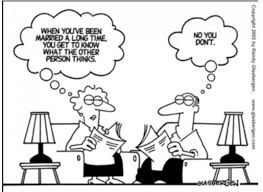
Theory of Mind is the ability to understand that others have beliefs, desires, intentions, and perspectives that are different from one’s own. People with autism may find it difficult to understand how others may be feeling and that their beliefs, interests and experiences may be different to their own. This may be a source of conflict and inappropriate behaviours as people with autism struggle to understand how people can reach different conclusions to the same issue. Theory of Mind, in my opinion, is quite difficult for neurotypical people as well, like for my friend, (and current social and political trends would suggest is getting worse…!)
For me, improving Theory of Mind and flexibility in thinking in my son, was as important for me as any of his other therapies at the start of our autism journey. Some tools that worked for us:
- Talking about how people in the family are different, beginning from how they look, then to how they feel, and act.
- Weaving in discussions about everyday family choices in our conversations: his sister’s favourite c
 olour is purple; his is green; Mama is obsessed with Pakistani mangoes. Papa is not (however how anyone can not like mangoes is beyond even my theory of mind…!)
 - Looking at everyday objectives and coming up with ideas about how they could be different things. We loved this book,for example, “My Grandfather’s Stick” which is about all the things a Nana’s stick could be (other than a stick, of course)…
 olour is purple; his is green; Mama is obsessed with Pakistani mangoes. Papa is not (however how anyone can not like mangoes is beyond even my theory of mind…!)
As my son grew older he loved stories and books. It was the ideal “strong interest” that I could use to develop his theory of mind. I drew him on small post-it-notes and inserted him into all the stories we read together and liked. He “jumped” into the stories first as himself and then as other characters in the same scene. What would be have said to Goldilocks when he heard the three bears coming? How would he feel if he was Goldilocks and woke up and saw the three bears? How would he feel if he was baby bear and saw his broken chair?
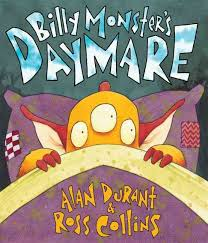 There are also some books that explicitly help with thinking about things from different points of view. One of our favourites was “Billy Monster’s Daymare” which is a small monster is scared of humans that may be under his bed and his father keeps telling him don’t worry humans don’t exist… As he grew older and the stories deepened there were more opportunities to think about different points of view and sometimes we would “jump” into the stories together which allowed for even better conversations.
Developing “Theory of Mind” early has had a positive impact on him and there are now (many) many sentences to me that begin with, “Well how would you feel Mama if…..” advising me on thinking about others than just myself.
Hope some of these ideas are useful to you. If you do not find them useful, I will understand and respect your opinion. This is about theory of the mind, after all…:-)
The author is a parent and co-founder of Our Small Wonders